On May 18, 2020, I took my first ever AP exam online. Going into the exam, I was extremely nervous because it was my first ever AP exam and it was going to be a little different than usual AP exams because of the current pandemic. I was most confident with the amount of material that I knew from the past year of AP Biology, but most of my concerns were about the format of the questions. The week before the exam, we had the entire class period just reviewing and practiced using ClEvR, or claim, evidence, reasoning, which would help us to answer the questions fully and concisely. Although I knew that this exam is going to be a lot quicker than normal, I decided to make a cheat sheet of mostly visuals that would help me refresh my brain of the past seasons and allow me to look back on something confusing if I had time. I also prepared myself by doing practice free-response questions on College Board so that I had a better understanding of what the format of the exam would be like.
Checking in at 10:30 am on Monday was a reality check for me. I never thought the day would come when my AP Biology journey would come to an end and I would be taking the AP exam. My nerves really set in during the 30 minutes before the actual exam started. I could feel my hands shaking and my heart beating erratically, but once the exam actually started I felt myself start to calm down and just focus on the two questions ahead of me. The test was structured to be 40 minutes, with 5 minutes to upload for each question. It was scary going into the first question, which was the long answer question, because of the amount of information that was given plus the question was split up into parts a through j. Although I only finished nine of the ten-part question, I hope that I answered the others well enough that it will partially make up for the one questions missed. The second question didn’t seem as scary as the first one, especially since it was only parts a through f, and I felt like I understood the information that was given better.
Once I submitted the two questions, it was like a breath of fresh air and all the stress from earlier that morning had been lifted from my chest. I was happy to be over with the test but sad that AP Biology was over. AP Biology was definitely one of my favorite classes and has helped me to know what I want to study in the future. Overall, the exam was pretty difficult but I know that this one test does not define my future if the results are not as good as I hope and does not push back any of the work that I have completed this year in AP Biology. Although this is the end of my biology journey at Notre Dame, I know that I will continue to pursue this subject as I move onto college soon.
Season 10 was all about the body systems as we virtually dissected a fetal pig. To demonstrate our learning, Kristen and I created a newsletter that describes each body system and has a reflection of the fetal pig dissection that we witnessed. Hope you enjoy!
Recently in biology, we have been learning about body systems as we dissected a fetal pig in class. For the immune system, we created sketch notes. To learn more about the immune system, check out my sketch notes below:
I don’t know if you know this, but today is Earth Day! Although the Earth should be celebrated and appreciated every day, today is specially designated for the world we live on. Especially with everything going on today, we should all take time to appreciate nature and go outside once in awhile. Here’s a little video that I made in honor of Earth Day!
Have you ever wondered how plants have impacted cultures and may have controlled humans? The documentary, The Botany of Desire, discusses four different types of plants that have in some way impacted humans. These four plants discussed are the apple, tulips, cannabis, and potatoes, each has its own control over humans that made them so popular today.
Here is the trailer to find out more!
Beware Spoilers Ahead
The documentary starts off with the apple, which is thought to have originated in Central Asia specifically Kazakstan. Apple seeds were seen to travel along the Silk Road, through China and Europe, to eventually reach the New World. Once in America, a man named John Chapman, but more commonly known as Johnny Appleseed, grew apples from the seed and sold the apples throughout America. Unlike one would thin, growing apples from the seen will not produce the exact same apple as the apple the seed came from. Each seed from an apple will produce a completely different variety of apples because they all get different traits from the apple they originated in. It was really interesting to see the thousands of varieties of apples in the orchards when in stores we only see a select few popular apples. Today apples are one of the most universal fruits, so it is interesting to explore the history of apples and how they came to become so popular today.
Next, came the tulip, which focused on the effect of the tulip’s beauty on humans. Tulips are though to gave originated in the Netherlands, where their beauty and value because desired by the Dutch. Tulips became so popular that bulbs for the rarest tulips were being sold for extreme amounts of money. What is really interesting is that the rare tulip that everyone in the Netherlands was fighting for was so rare and colored the way it was because of a virus. This really shows the impact of viruses and how they can completely change the phenotype of the tulip. Unlike the apple, the bulbs of tulips will produce identical flowers. Tulips produce sexually, which means that varieties of flowers will appear from their offspring because they will get traits from both parents. Today to discover new varieties of tulips, breeders will artificially select tulips to pollinate and hope for the desired traits.
the rare tulip with a virus that the dutch were fighting for
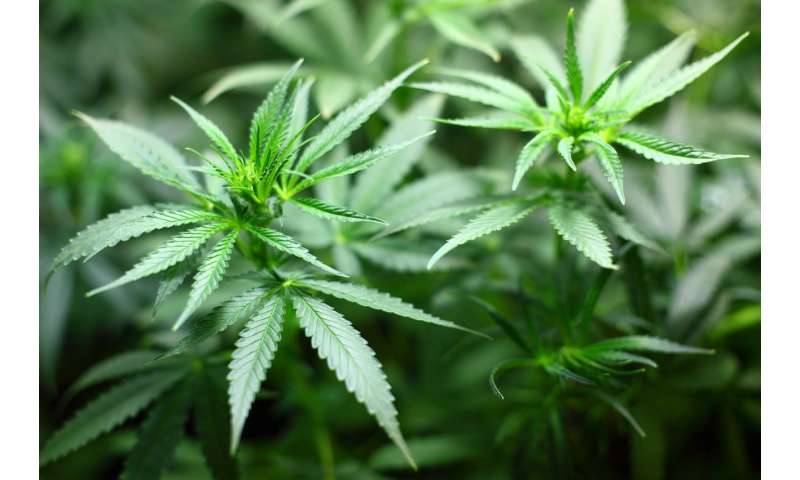
Third, was cannabis, also known as marijuana. Cannabis was originally used as a relaxant for patients in hospitals, but humans quickly took advantage of the feeling they got when they smoked cannabis, which is what made is illegal. Regardless of the law, people continued to smoke cannabis and even cross-bred cannabis plants to find the ideal plant. This new cannabis plant was shorter, grew indoors, developed at a faster rate, and provided a stronger high. Scientists studied the effects of cannabis and learned that only one molecule, THC, gives people the feeling they are searching for when they smoke marijuana. Surprisingly, the body makes a similar adrenaline molecule, which is why there are receptors on the brain that the THC can fit in. Today, scientists have been working to develop a drug treatment in order to help patients with PTSD to forget their traumatic experiences.
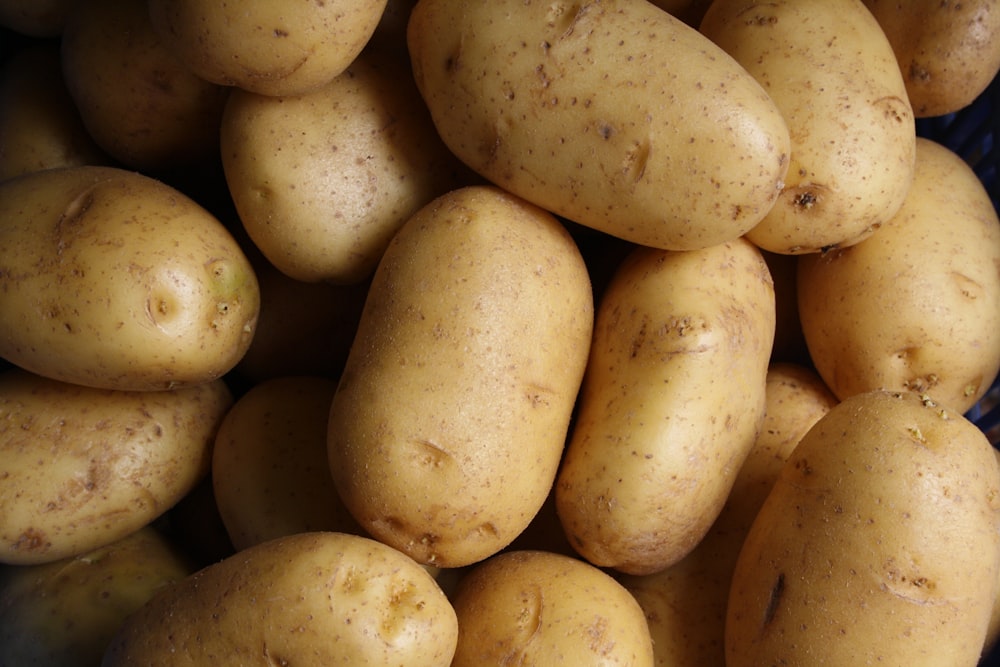
Finally, the potato, which is a food crop that not only provides delicious french fries but is also a dependable source of food in some cultures. the wild, potatoes are poisonous because it produces a molecule known as solanine, so before people needed to taste test each potato to figure out which ones to plant. In the Andes, the people would plant different varieties of potatoes on different altitudes, so they had a reliable food source and a back up in case one variety did not survive well. Unfortunately, in Ireland, only one type of potato was planted, which was why it was easy for one fungus to destroy Ireland’s main food source for years. Today, scientists have genetically modified some potatoes in order to prevent the use of pesticides and to prevent any harmful organisms from eating or infecting the potato crop. The new potato leave was modified with a gene from a bacterium, known as BT, which produces a protein that kills the Colorado potato beetle. This was a very controversial topic as the public responded harshly to the use of GMOs. It is interesting to see how the public views GMOs with the potatoes, but are still eating or using other products that have been genetically modified. Something I was also curious about was: what are the negative effects of chemical pesticides on the potato plants and why did the public react so drastically with the use of GMOs but not the pesticides? Regardless of what farmers and scientists do there will always be an issue with how they they try to prevent pests from eating their crops.
But now the main point after watching Botany of Desire was to answer the question, who controls who? For some, such as the apple, it seems like humans are in controls, but with others, like the tulip, the humans seem to be manipulated by the plant. For the apple, humans have decreased genetic diversity in order to get the select few desired apples that they want rather than planting seeds and getting new varieties. In order to copy one variety of apple, humans have developed a method known as grafting. Humans are able to manipulate different genes with genetic engineering to get the desired traits from certain apples and to insert genes from bacteria to provide resistance from apple scabbing. For the tulip, it seems as though the flower has manipulated humans with their beauty. Unlike the apple, humans were trying to create more diversity of the tulip to get more rare colorings. It seems as though, the tulip used its beauty to ensure that humans would help them to reproduce and thrive in an environment, while also helping to expand their genetic diversity. For cannabis, it seems that humans once again got manipulated by the feeling they got when they smoked cannabis. The humans made a new hybrid cannabis in order to get high fast, since the plant grew in a shorter time, and get a stronger high. Humans became intoxicated with this feeling, which allowed cannabis to thrive in the world. Finally, the potato, which I think the humans controlled. Humans have been planting potatoes for a long time, but now with technology we are genetically modifying the potatoes to ensure they can protect themselves from harmful bugs.
Overall I thought that this was a very interesting documentary with a lot of good information to learn and you should definitely check it out!
Do you know what immortal cells are and how they have impacted the field of medicine? Immortal cells were the first cells to be extracted from human and continued to grow and survive in culture. These cells were a scientific breakthrough that has helped develop vaccines and helped find treatments for cancers and other diseases. But where did these cells come from? Immortal cells were also known as HeLa cells, named after the woman who’s cells these were, but no one knew the real name or anything about this person until Rebecca Skloot researched about immortal cells and wrote her book, The Immortal Life of Henrietta Lacks.
Read the book if you want to learn more!
Beware: There May Be Spoilers Beyond This Point
Henrietta Lacks was an African American woman who died from cervical cancer, but also the women who’s cells are known as the immortal cells. Henrietta lived during the Jim Crow era, where segregation and discrimination against African Americans were high in America. Racism was so bad during this time that there were separate hospitals for white and colored people, but if colored people went to the white hospitals they were refused treatment and sometimes left to die in the parking lot. Henrietta had to travel miles to Johns Hopkins Hospital to get treatment for cervical cancer. During her treatment doctors took the cells from her cancer and cervical tissue without her knowledge. These doctors felt that because these African Americans were getting medical care for free, that the least they can do for payment is to donate some cells. Trying to grow cells in culture after removal was no uncommon during this time, but had always failed. Henrietta’s cells were different as they kept dividing and stayed alive in culture, thus becoming the first immortal cells.
To learn more about HeLa cells, this is a short TedEd video on the topic
Henrietta’s family did not find out about her stolen cells until 20 years after the incident, and at this point, Henrietta had died. If I was in this situation and had my cells taken from me without my consent, I would be upset because that violates me and goes against a moral code. I would want to donate my cells, especially if they are beneficial to find medical breakthroughs and can save people’s lives. These cells make up who a person is, which is still private information and should only be accessed to doctors after consent is given. Henrietta’s cells were crucial to medicine and science today, but she was taken advantage of and probably because they thought it was okay since she was an African American woman who was seen as inferior to the white men of the time.
There is also a movie that was made based off of the novel to help spread Henrietta’s story.
Here’s the trailer to get you interested!
Overall, Skloot did a very good job and writing this book and also digging information to find and understand the story behind HeLa cells, which also is giving closure and compensation to the Lacks family today. She brings together many themes of medicine, but also just brings light to something that has impacted everyone today whether they know it or not.
Works Cited
“The Immortal Life of Henrietta Lacks.” Wikipedia, Wikimedia Foundation, 21 Feb. 2020, en.wikipedia.org/wiki/The_Immortal_Life_of_Henrietta_Lacks.
“The Immortal Life of Henrietta Lacks (2017) | Official Trailer | HBO.” The Immortal Life of Henrietta Lacks, HBO, 15 Mar. 2017, http://www.youtube.com/watch?v=X-jxEX1XQpY.
Do you know what makes Kingdom Protista so unique from the other 3 Kingdoms within Domain Eukarya? Kingdom Protista is made up of unique organisms that don’t quite fit in the other 3 Kingdoms. Protists are spread wide and far-ranging from amoebas to seaweed. All Protists are eukaryotic, but because of the wide range of organisms within the Kingdom, they can be unicellular or multicellular. This week in our online virtual classes we were put in groups where we researched more about specific organisms within Kingdom Protista and what makes them so different that they are placed in a separate category. Take a look below at the slide show that Callie, Alysa, Viva, and I made that explores protists and what makes them so unique.
Going to Save the Bay in Palo Alto was such an interesting and new experience that was fun to share with my whole class. Once we got there, we were split up into 4 separate groups to collect data in the soil of restored and unrestored marshlands. For the soil sampling, we tested for multiple different things in 5 different areas on the levy: location, soil moisture, conductivity, pH levels, and overall texture. On the field trip, we learned how to properly use technology to help us collect our data and what tools are used to check the soil. After we collected the data from the soil, we looked for plant biodiversity in the areas that we were assigned to. We learned a lot about the common plant species in the environment from the two workers from Save the Bay. Biodiversity connects to what we have been learning in class as we have been learning about evolution and how animals have adapted and changed, which as created diversity throughout the world. A third thing that I learned on this trip was that the San Francisco Bay is one of the largest estuaries that hold brackish water, which means that the water in the bay is a mixture of fresh water from the mountains and seawater from the Pacific Ocean. In the last season, we also learned how a species’ environment is crucial for the species to thrive and survive. Both the plant and animal species that live in this area, have to adapt to the Bay that has been changed by humans and other natural causes.
Here is a picture of the jackrabbit (photo by Mrs. Girard)
One of my favorite memories from the trip was when a jackrabbit was running on the edge of the Bay and it jumped in. We all kind of joked who was going to jump into the bay to save the rabbit if it drowning. Luckily, the rabbit was able to jump back out quickly and ran off. It was cool to see the jackrabbit, especially since he liked us so much that he kept coming back and getting close to us.
Here is a photo of my group testing the soil (photo by Mrs. Girard)
During this field trip, we were able to be active in citizen science, which is when people in the community take active roles in researching the world of science. Citizen science is important because it allows people in the community to be educated on important aspects of science that allows them to contribute and make the environment cleaner and safer for everything. During the field trip, I was able to partake in citizen science by helping to collect data that will hopefully be used to restore the marshlands that my team and I were collecting the soil from. Hopefully, I was able to contribute to the work that the people of Save the Bay are trying to accomplish.
One thing that we didn’t really get to learn about that I wished we had learned more about was the species endemic to the area. We were able to learn about some of the plant species that we saw, like the California Poppy, but I felt like it would have been also beneficial to learn about the different animal species that live there too. I really liked the trip and do think that it should be continued next year as it connects to what we are learning about now and is just an overall beneficial experience where we get to learn about something that is happening in our own environment.
Here is our whole AP Bio team at the end of our day (photo by Mr. Retelas)
This week in AP Biology we are going on a field trip to work with Save the Bay. Save the Bay is an organization that works to preserve the marine life and health of the San Francisco Bay by educating people around the Bay Area about the negative impact that humans have had on the environment and how we can help.
To learn more about this organization, here’s a little introduction of Save the Bay
Field trips are great tools for learning because they give you a hands-on experience of what you are learning and helps you to better apply your knowledge to real-world situations. I hope that on this field trip, I am able to learn more about how we as a community can help to protect the bay and marine life that resides in the bay. I think that it is important that people volunteer at organizations like Save the Bay in order to preserve something as beautiful as the San Francisco Bay. I hope that my small contribution can help positively impact the environment and take humanity one step closer to becoming waste and pollution-free. Making an effort or volunteering one day at a time will help the environment to become cleaner and safer for everyone in the end.
If you want to learn more about how people have helped working with Save the Bay, check out this link. Here you can find some heros that have made an impact in preserving the San Francisco Bay.




 AP Biology